
Clear containment plan
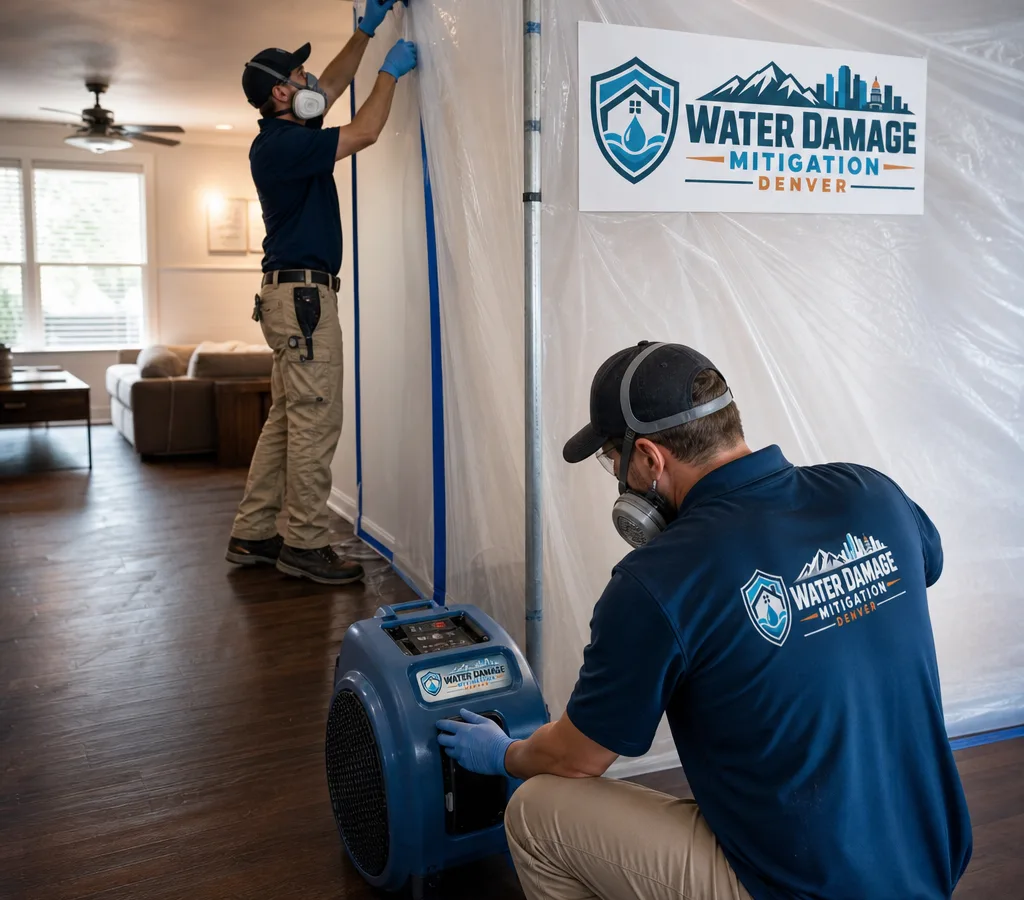
We define the work zone, protect adjacent rooms, and set up negative air so the rest of the home stays livable when possible.
Serving Denver, Colorado & surrounding areas
24/7 Emergency Response
Mold remediation in Denver, Colorado
If you are seeing staining, smelling musty odors, or dealing with a recent leak, we contain the affected area, remove contaminated materials when needed, and clean the space so you can get back to normal with clear documentation.
✓Containment setup
✓HEPA air filtration
✓Moisture verification
✓Written documentation
Controlled cleanup from the start
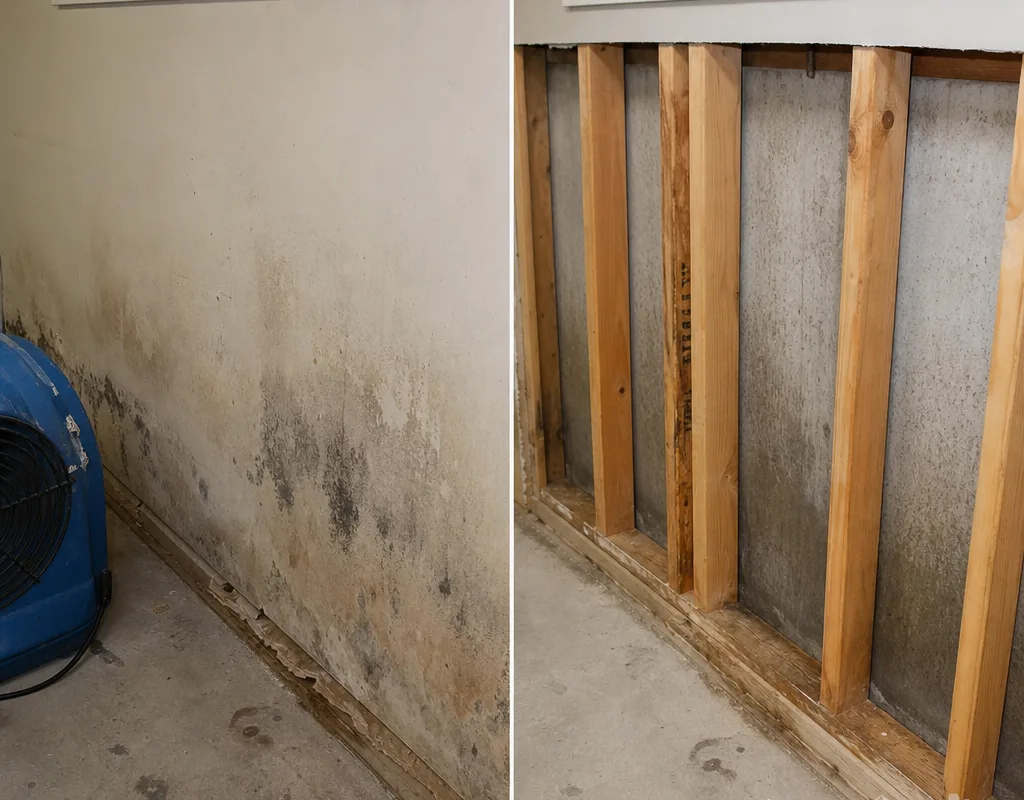
Mold remediation in Denver is a controlled cleanup process: stop the spread, remove or clean impacted building materials, and address the moisture conditions that allowed growth in the first place. If you have visible growth on drywall, attic sheathing, around a window, or in a basement corner, the goal is to return the area to a normal fungal ecology, not to make a home sterile.
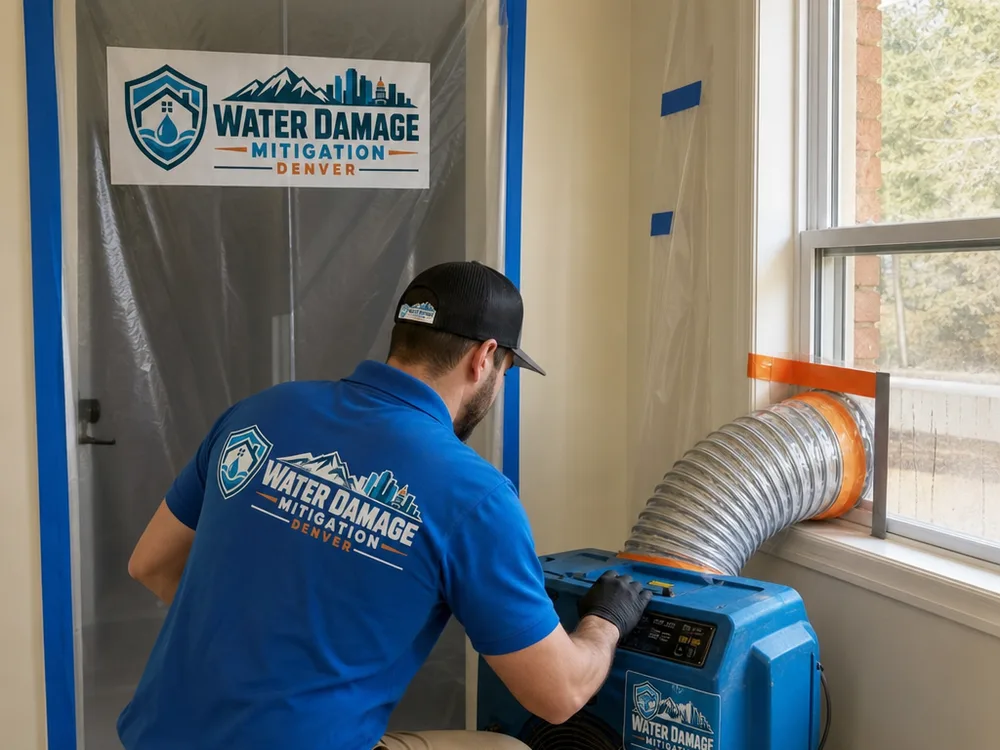
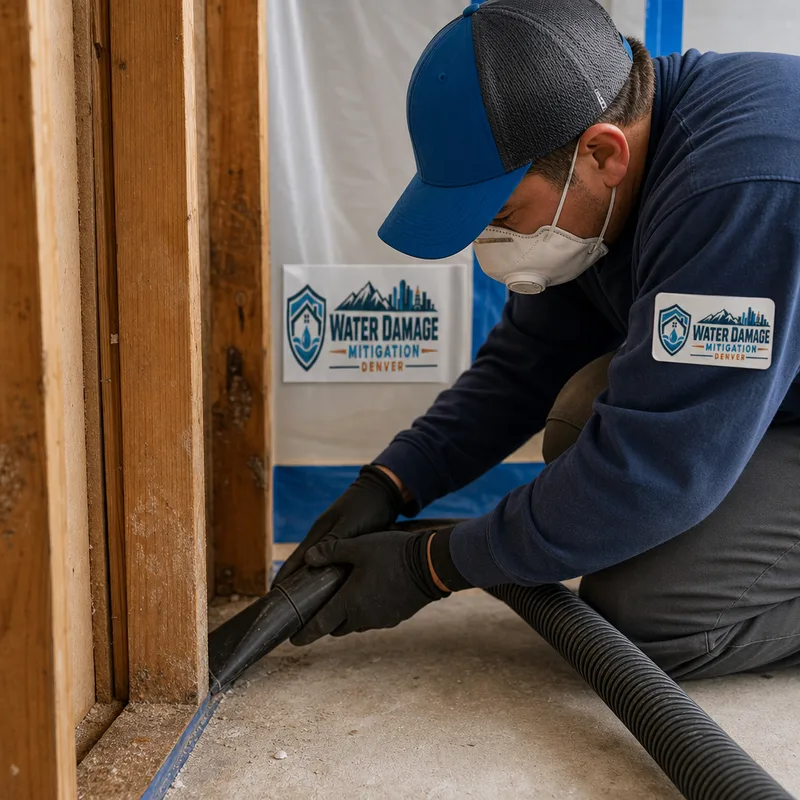
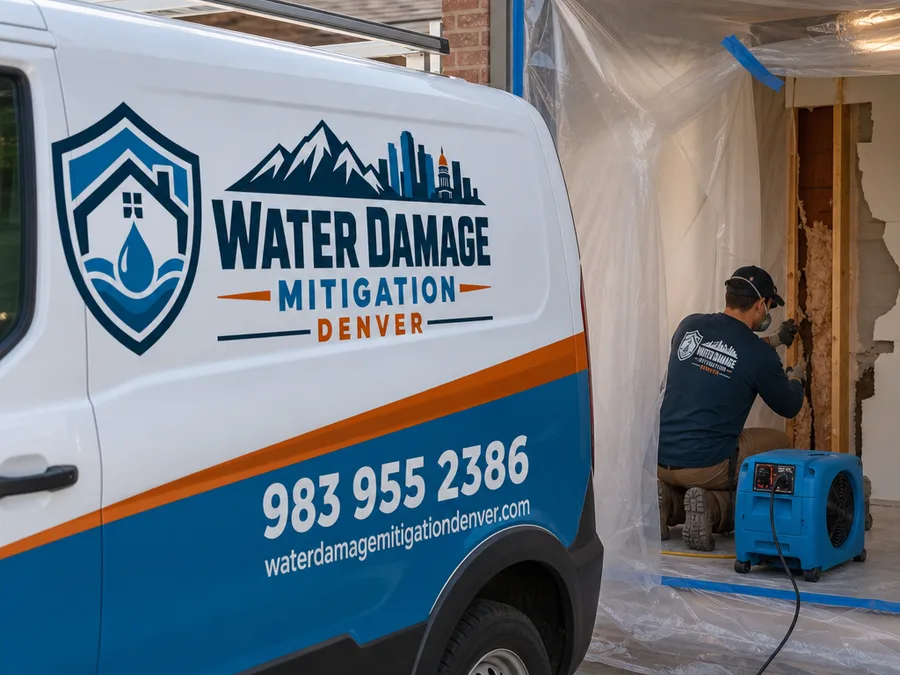
A proper remediation job typically includes containment with plastic sheeting and tape, negative air using air scrubbers with HEPA filtration, careful removal of porous materials that cannot be reliably cleaned, detailed HEPA vacuuming and damp wiping, and dehumidification when moisture is present. Targeted demolition may also be needed to expose hidden growth behind baseboards, under flooring, or inside wall cavities.
Remediation does not include rebuilding by default. If materials are removed, repairs and finishes usually follow after clearance. Spraying a surface without containment is not remediation and can spread spores or make the problem harder to document later.
Built around the property and moisture source
Denver housing varies from older brick and plaster homes to newer builds with tight envelopes, and both can develop mold when water gets where it should not. Basements in older neighborhoods can hide slow seepage at foundation walls, while newer properties more often show issues around HVAC condensate lines, bathroom exhaust problems, or window leaks.
Our work starts by defining the work area and the source. We look for visible growth, staining patterns, humidity conditions, and the path water took through a roof leak, plumbing failure, condensation, or prior flooding. Then we build containment so spores and dust stay inside the work zone, run HEPA-filtered negative air, and remove or clean materials according to whether they are porous, semi-porous, or non-porous.
If mold follows a recent leak, the remediation plan often pairs naturally with moisture control measures and drying. We coordinate the mold portion once wet materials and migration paths are identified.
We serve the 80208 area and nearby Denver neighborhoods. In Wash Park and Congress Park, finished basements and older window assemblies can turn small leaks into hidden wall-cavity growth. In Capitol Hill, older multi-family buildings may require careful containment to protect adjacent units. In Highland, remodels and additions can leave mixed materials behind walls, so removal is planned to reach the affected cavity without unnecessary demolition.
A practical scope you can understand
We define the work zone, protect adjacent rooms, and set up negative air so the rest of the home stays livable when possible.
Drywall, insulation, carpet pad, and other porous materials are handled differently than framing, concrete, tile, or metal. We choose the method based on what actually cleans.
Remediation only holds if moisture is controlled. We document what is wet, what is dry, and what needs correction before repairs close things back up.
HEPA vacuuming, damp wiping, and air scrubbing are standard for many jobs because mold cleanup is as much about fine particles as it is about what you can see.
We will tell you when an area should be avoided, when contents need to be moved, and what can stay in place with proper protection.
A written scope and photos help with property managers, real estate transactions, and insurance conversations when coverage is involved.
We identify the likely moisture source, map the affected materials, and discuss how the space is used so containment and access make sense for your home.
We set plastic barriers and establish negative pressure with HEPA air scrubbers. This reduces cross-contamination into hallways, returns, and adjacent rooms.
Porous materials that cannot be reliably cleaned are removed and bagged out. Remaining surfaces are HEPA vacuumed and damp-wiped with appropriate cleaners for the substrate.
If moisture is present, we dry the area with dehumidification and airflow, then verify conditions before the space is closed up or rebuilt.
We complete a final cleaning pass, document the work, and outline what needs to happen next—repairs, ventilation fixes, or monitoring—so the problem does not return.
Straightforward scope and pricing
Mold remediation in Denver typically ranges from about $1,500 to $6,500 for many residential projects, with small, well-contained areas sometimes closer to $800 to $2,000 and larger jobs that require demolition, drying, or multiple rooms often $7,500+.
Your final price depends on the size of the affected area, how much porous material must be removed, whether there is hidden growth behind finishes, how hard it is to access attics or crawlspaces, and whether drying equipment is needed. The exact cost is confirmed after an on-site inspection and a written scope.
Real containment and detailed cleaning
Clear answers before cleanup begins
Most mold remediation jobs take 1 to 3 days on-site, but timelines extend when demolition is larger, drying is required, or multiple rooms are involved. A small contained area with minimal removal can sometimes be completed in a day, while a basement or attic with widespread impacted materials may need several days plus drying time before repairs begin.
Often you can stay home, as long as the work area can be isolated and you avoid entering containment. If the affected area is a main living space, if HVAC pathways cannot be isolated, or if occupants have sensitivities, it may be better to stay elsewhere during active removal and cleaning. We talk through access, pets, and daily routines before work starts.
Sometimes, yes, if mold is limited to non-porous or semi-porous surfaces and the material can be cleaned effectively. Drywall and insulation are porous, so if growth has penetrated them or moisture damage is present, removal is commonly the correct approach. The decision depends on what is actually impacted, not just what is visible.
Remediation can be planned from a visual inspection and moisture assessment, and many projects do not require air or surface sampling to proceed. If you need testing for a real estate transaction or want third-party clearance, we can coordinate around that requirement so the remediation scope aligns with the sampling plan.
Even in a generally dry region, mold grows wherever materials stay damp. Plumbing leaks, roof leaks, window intrusion, condensation at cold surfaces, and poorly vented bathrooms are common triggers. Finished basements and tight building envelopes can hold humidity in a way that keeps drywall, framing, or carpeting above safe moisture conditions.
Coverage depends on what caused the moisture and what your policy includes. Mold tied to a sudden, accidental water event may be handled differently than mold from long-term seepage or maintenance issues. We provide documentation and photos so you have clear support for your claim conversation, but the insurer makes the coverage determination.
Keep people and pets out of the affected area, avoid disturbing visible growth, and do not run fans that could push air from the impacted space into the rest of the home. If safe to do so, stop the water source—shut off a leaking supply line, place a catch pan, or protect the area from further roof intrusion—and note when the issue started.
Tell us what you are seeing and where it is happening. Water Damage Mitigation Denver will assess the affected materials, explain containment and removal options, and outline the next steps to keep the problem from returning.