Water removal first, then controlled drying
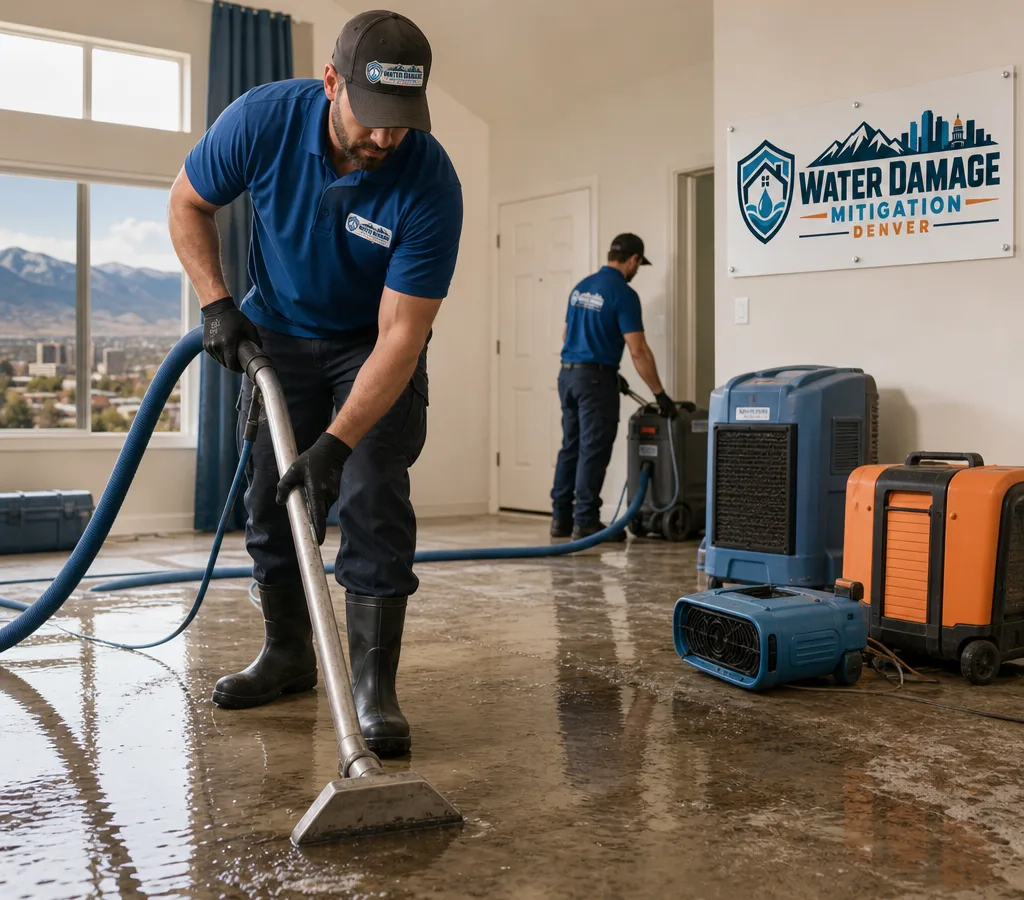
Extraction reduces the load on drying equipment. After that, we set air movers and dehumidifiers based on measurements, not guesses.
Serving Denver, Colorado & surrounding areas
24/7 Emergency Response
Water damage restoration in Denver, Colorado
When water gets into floors, drywall, or cabinets, time matters. Our local crew responds fast, removes water, sets professional drying equipment, and documents the work so you can make clear decisions early.
✓Water extraction
✓Moisture mapping
✓Controlled drying
✓Job documentation
Act before moisture travels farther
If you are dealing with a leak, overflow, or storm-related water intrusion, the first goal is to stop the spread. Water damage restoration Denver CO work starts with controlling the source when possible, removing standing water, then drying the structure thoroughly so materials do not keep wicking moisture.
Denver properties often combine finished basements, slab-on-grade areas, and older plaster or lath-and-plaster walls. Those assemblies hold moisture differently than modern drywall and can take longer to dry if the water is not removed quickly. We use a measured approach: moisture mapping, targeted removal where needed, and drying plans that match the materials and affected area.
Water Damage Mitigation Denver handles residential and commercial projects across Denver, CO, including the 80208 area and nearby communities.
Measured, controlled and documented
Extraction reduces the load on drying equipment. After that, we set air movers and dehumidifiers based on measurements, not guesses.
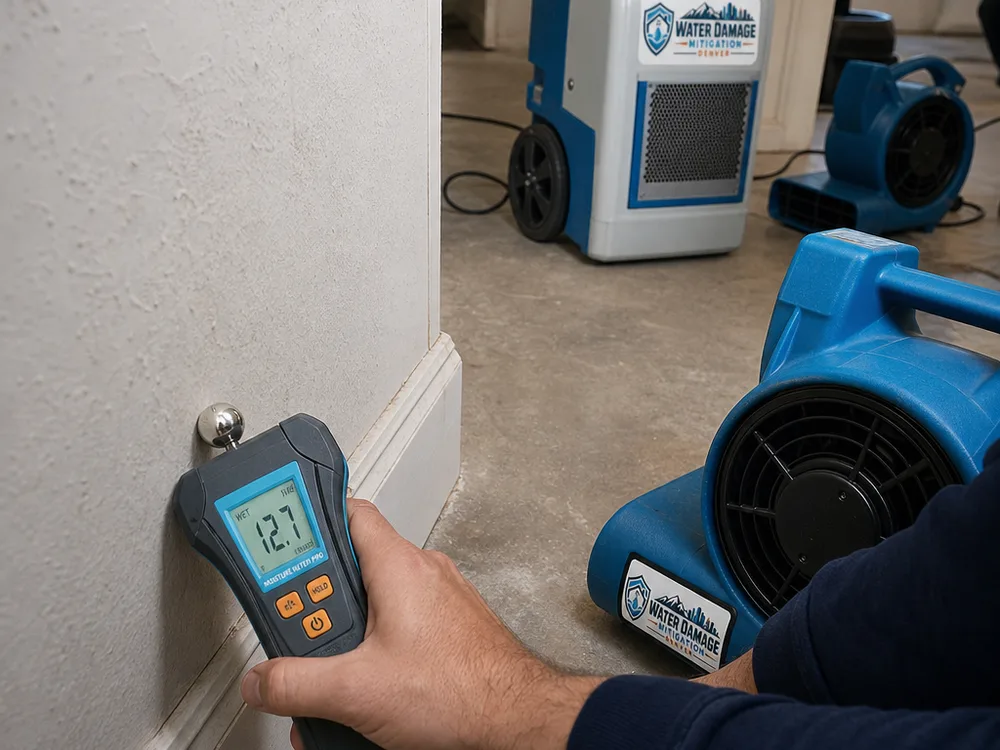
We document moisture levels in floors, walls, and baseplates so you can track progress and know when materials are actually dry.
If demolition or drying could spread dust or contaminants, we isolate the work area to help protect occupied parts of the property.
Carpet pad, insulation, and swollen MDF trim often need removal, while other materials may be saved if dried correctly and quickly.
Photos, readings, and a written scope help when coordinating with property managers, insurers, and other trades.
A plan matched to the affected materials
Every water loss looks similar at first, but the right plan depends on what got wet, how long it sat, and where the moisture traveled.
We start with a walk-through and moisture mapping, including baseboards, drywall, subfloor, and adjacent rooms. Then we prioritize extraction and selective removal so drying air can reach trapped moisture. Drying is monitored with regular checks and equipment adjustments until stable dry standards are reached.
Restoration work may include removing and replacing affected drywall, insulation, trim, or flooring, plus cleaning and deodorizing as appropriate. If you only need the drying and stabilization portion first, that can be scoped clearly so you are not committing to more work than you are ready to approve.
When the water event involves sewage backup or other contamination, the procedures and safety requirements change. In those cases, we explain what materials cannot be salvaged and what cleaning steps are required before any rebuild starts.
From active loss to verified dry
We identify immediate hazards such as electricity, slippery surfaces, or ceiling sag and confirm the water source is stopped or contained so the loss does not continue.
We check visible damage and hidden migration paths, then document affected materials and readings to set the drying plan.
Standing water is extracted. If materials such as pad, insulation, or swollen trim trap moisture, we remove them to allow proper drying.
Air movers and dehumidifiers are placed and monitored. We adjust equipment as conditions change, then verify dryness with follow-up readings.
Once dry, we handle cleaning and odor control as needed and coordinate the repair scope so the space can be put back into service.
Straightforward scope and pricing
Water damage restoration in Denver typically ranges from about $1,500 to $8,000+, with small, contained losses at the low end and multi-room or basement events with demolition and rebuild at the high end. A straightforward water removal and drying setup is often less than a full restoration that includes drywall, flooring, and trim replacement.
Final price depends on the size of the affected area, how long materials stayed wet, the water category—clean versus contaminated—access to the wet areas, and how much material needs removal for drying. Exact pricing is confirmed after an on-site inspection and moisture mapping.
Real restoration conditions
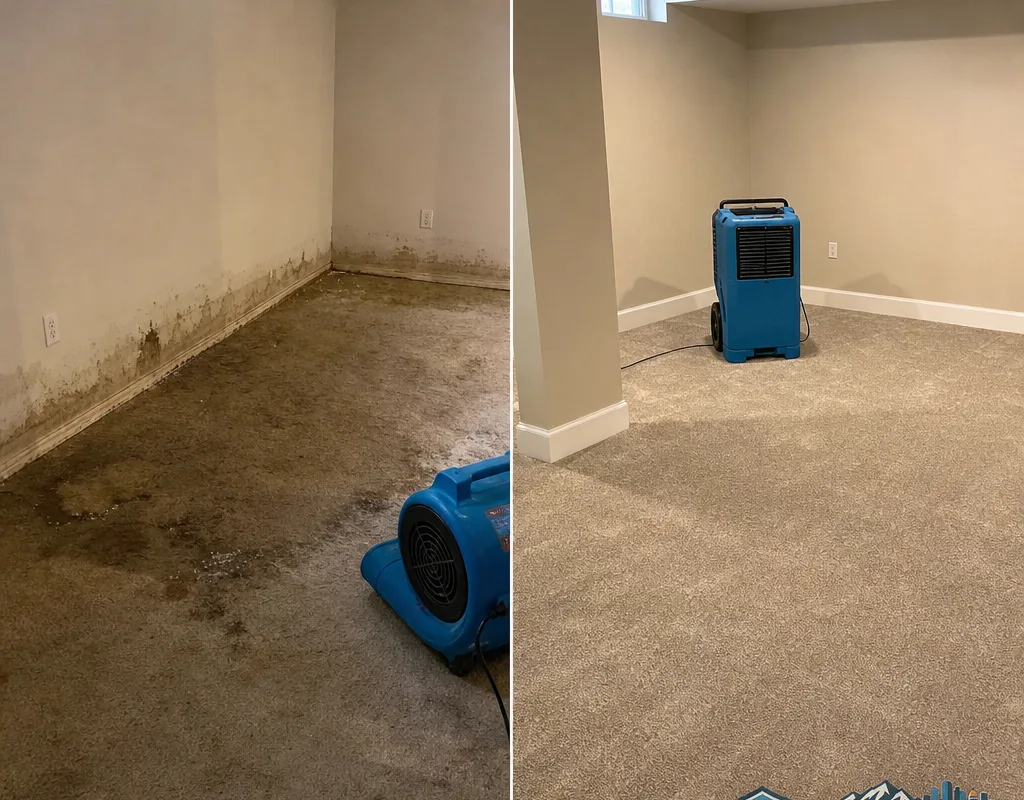
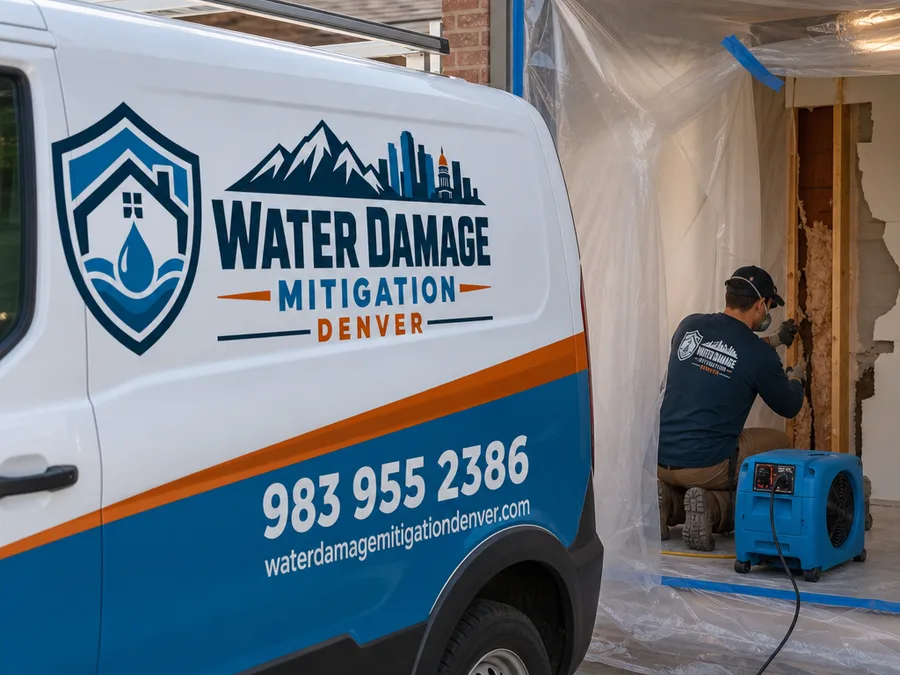
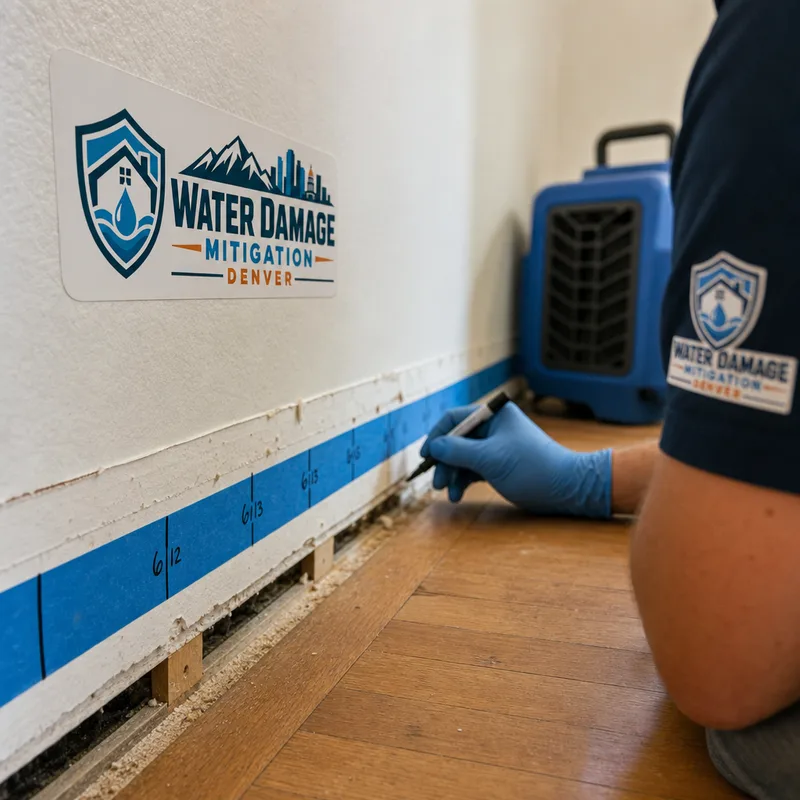
If you are seeing bubbling paint, soft drywall, a musty smell, or wet flooring, getting a documented drying plan early can prevent a small loss from turning into a major rebuild.
Call for Emergency HelpClear answers before work begins
In most situations, the goal is to start extraction and drying the same day because materials can begin swelling and wicking water quickly. Availability depends on current demand and the severity of the event, but we prioritize active leaks, standing water, and occupied homes or businesses where downtime matters.
Yes. Basements often require more aggressive extraction, careful drying of baseplates and wall cavities, and decisions about carpet pad, insulation, and finished-wall materials. We moisture-map the perimeter walls and adjacent rooms to confirm water did not migrate under flooring or behind drywall.
Sometimes, but it depends on how wet the materials are, how long they stayed wet, and whether the water was clean or contaminated. Wet insulation loses performance and can hold moisture against framing, while drywall can wick water upward. We verify conditions with readings and recommend selective removal when drying air cannot reach wet layers.
If it is safe, stop the water source and shut off electricity to affected areas where outlets or appliances are wet. Move valuables and paper goods to a dry room, and avoid running HVAC if you suspect contaminated water. Photos can help with documentation, but do not disturb wet building materials that may contain hidden hazards.
Yes. We provide photos, moisture readings, and a written scope that can support a claim and help align the drying and repair plan with what is actually affected. Coverage varies by policy and cause of loss, so we focus on clear documentation and transparent approval points before proceeding.
Many drying projects run about 3 to 5 days, but timelines change with the amount of water, material types, temperature, and how quickly the loss was addressed. We track progress with repeat moisture checks and adjust equipment so drying stays on pace without over-drying finished areas.
Tell us what happened and what areas are affected. We will inspect, explain what can be saved, and outline the steps to dry and restore your Denver property with proper documentation.