Clear findings, not guesses
We document affected materials, moisture readings, and likely paths of migration so you can make decisions based on what is actually wet.
Serving Denver, Colorado & surrounding areas
24/7 Emergency Response
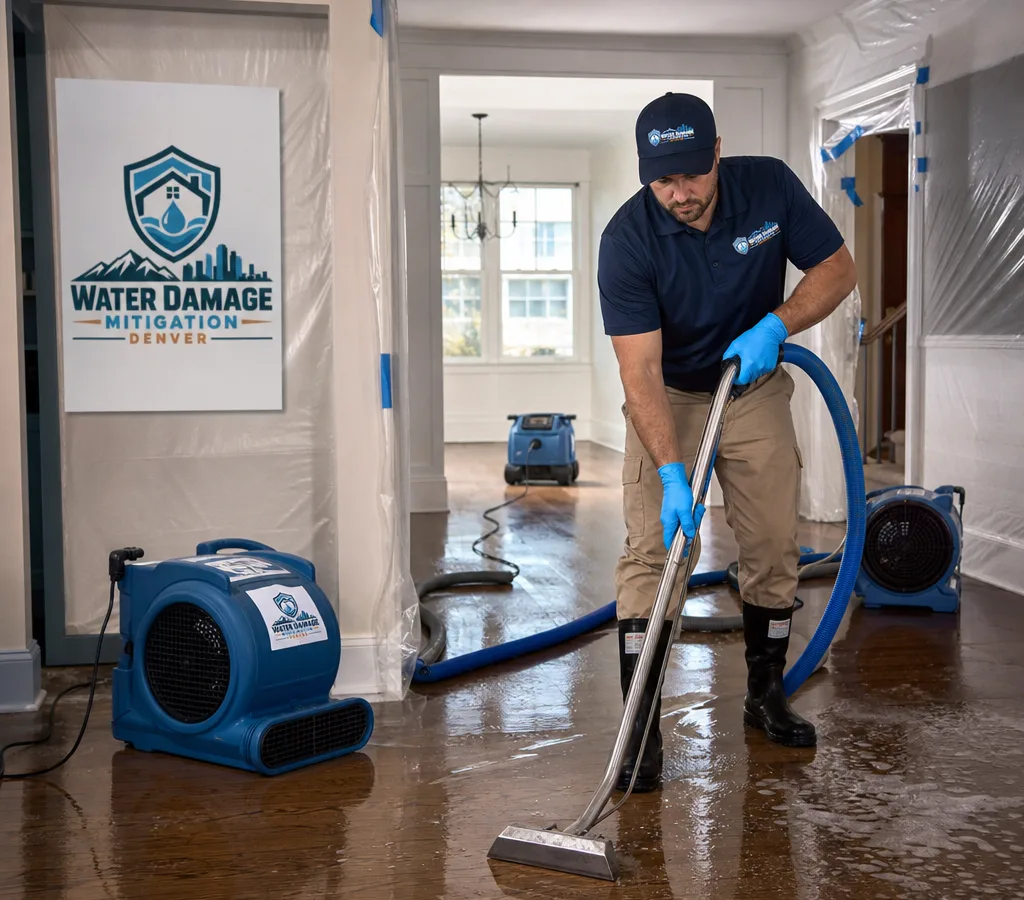
Water damage repair in Denver, Colorado
Fast response for leaks, floods, and burst pipes. We identify the source, dry the structure, document what we find, and lay out a clear repair plan so your home can get back to normal.
✓Source control
✓Moisture mapping
✓Controlled drying
✓Repair planning
Dry first, then repair correctly
Water damage rarely stays where it started. It wicks into baseboards and drywall, runs under flooring, and soaks insulation and framing. Proper water damage repair in Denver starts with stopping the source and measuring what is actually wet, then drying and repairing only what needs to be repaired.
A good scope typically covers:
If you are comparing Denver water damage repair options, look for a contractor who can explain the category of water involved, show you the readings, and define a drying goal. That is the difference between cosmetic patching and a repair that lasts.
Local construction knowledge matters
Denver's housing mix creates a few repeat patterns we see during inspections.
In Capitol Hill, older buildings and remodeled condos can hide plumbing in chases and soffits, so leaks may show up far from the actual source. We take extra time to trace migration paths before opening finishes.
In Washington Park and Platt Park, many homes have finished basements and updated kitchens. When water reaches built-ins or layered flooring, we plan removals carefully to keep the repair clean and targeted.
In Stapleton/Central Park, newer construction often uses engineered materials and tight building envelopes. Drying can still be straightforward, but it needs the right dehumidification strategy so moisture does not linger in wall cavities.
In Highlands/LoHi, mixed-use buildings and townhomes can involve shared walls and multi-level plumbing runs. Documentation and clear containment matter when water affects adjoining spaces.
No matter the neighborhood, the standard is the same: confirm the source, measure the moisture, dry to a defined target, then repair. Many homeowners start with water damage mitigation in Denver to understand the immediate next steps before repairs begin.
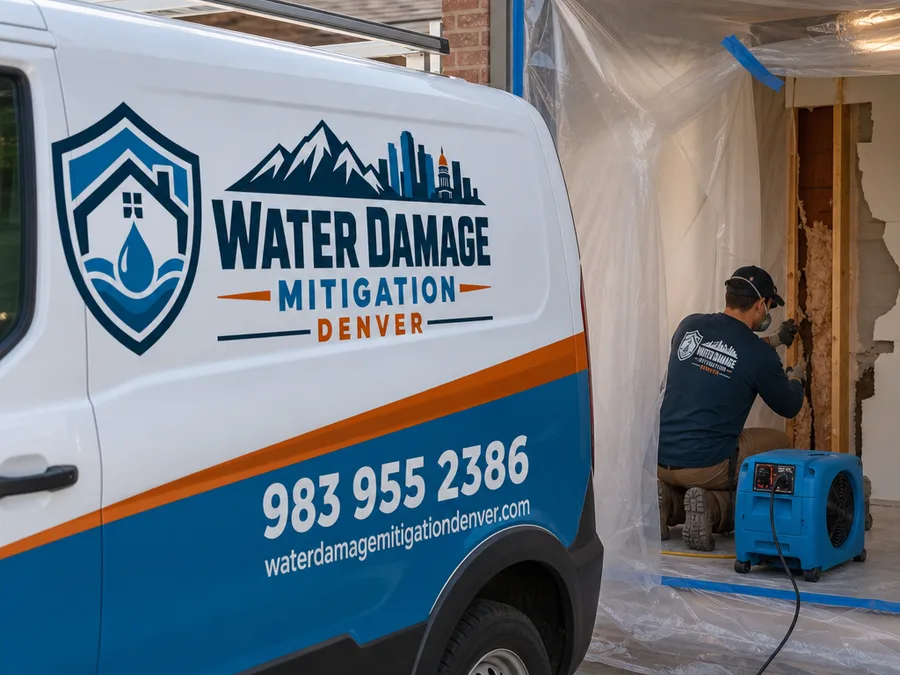
From measured damage to finished repairs
We document affected materials, moisture readings, and likely paths of migration so you can make decisions based on what is actually wet.
Air movers, dehumidifiers, and containment are placed to dry efficiently while protecting unaffected rooms from dust and humidity swings.
We outline what must be removed, what can be saved, and what gets rebuilt, so you are not paying to replace materials that are dry and stable.
Drywall texture matching, trim transitions, and paint prep are handled with the goal of making the repair disappear into the room.
If you are filing a claim, we can provide photos, notes, and a written scope that supports what was found during inspection and drying.
From active water to finished restoration
We start by confirming the source (supply line, drain, appliance, roof intrusion, or groundwater) and stabilizing the area. If there is standing water, we prioritize extraction.
We check floors, walls, ceilings, and adjacent rooms, then map the affected area. The goal is to avoid both under-scoping (missed wet materials) and over-scoping (unnecessary demolition).
We set drying equipment and monitor progress. When needed, we clean and apply antimicrobial products based on the water category and the materials involved.
Once moisture levels reach an appropriate target, we rebuild what was removed: drywall, baseboards, flooring sections, paint, and finish details so the space is livable again.
Straightforward scope and pricing
Water damage repair in Denver typically runs about $1,500 to $8,000+ depending on how far water traveled and what materials were affected. A small, contained leak with limited drywall and baseboard repair may fall near the low end, while basement flooding, hardwood damage, or multi-room drying and rebuild pushes cost higher.
Final price depends on water category, square footage, equipment days, demolition needed, access (tight crawlspaces, stair carries), and finish level (texture match, cabinets, flooring transitions). The exact cost is confirmed after an on-site inspection and a written scope.
Clear answers before work begins
Start the same day whenever possible because water keeps moving into porous materials until drying conditions are established. Even if the surface looks dry, moisture can stay trapped under flooring, behind baseboards, and inside wall cavities, which can lead to swelling, staining, and microbial growth.
We can manage the full job: inspection, drying, and the repairs needed to restore the space once the structure is dry. Keeping one plan end-to-end helps avoid gaps like repairing too early (before materials are dry) or leaving open areas unfinished for weeks.
Mitigation stops further damage by extracting water, drying materials, and addressing contamination risk, while water damage repair is the reconstruction that comes after drying, such as drywall, trim, paint, and flooring repairs. Many projects need both phases, and the repair scope should be based on what had to be removed to dry correctly.
Sometimes, but it depends on the water category, how long it stayed wet, and whether the assembly can dry fully. Insulation often needs removal once saturated, and drywall may need a controlled flood cut to allow drying and inspection, especially when water traveled inside the wall.
Not always. Some floors can be dried and stabilized, but swelling, cupping, delamination, or water trapped under underlayment may require partial replacement. We look at the flooring type (hardwood, laminate, vinyl, tile), the subfloor condition, and moisture readings before recommending repair versus replacement.
Yes, we can provide photos, moisture documentation, and a written scope that explains what was affected and what steps are needed. Coverage and approvals vary by policy, but clear documentation helps align the repair with what was found on-site.
Many residential drying situations take about 3 to 5 days, but the real timeline depends on material type, how saturated it is, and access to the wet areas. Repairs should start only after moisture levels reach an appropriate target for the materials involved.
Tell us what happened and where the water reached. Water Damage Mitigation Denver will inspect the affected areas, explain the scope in plain language, and help you move from emergency cleanup to finished repairs with a clear plan.